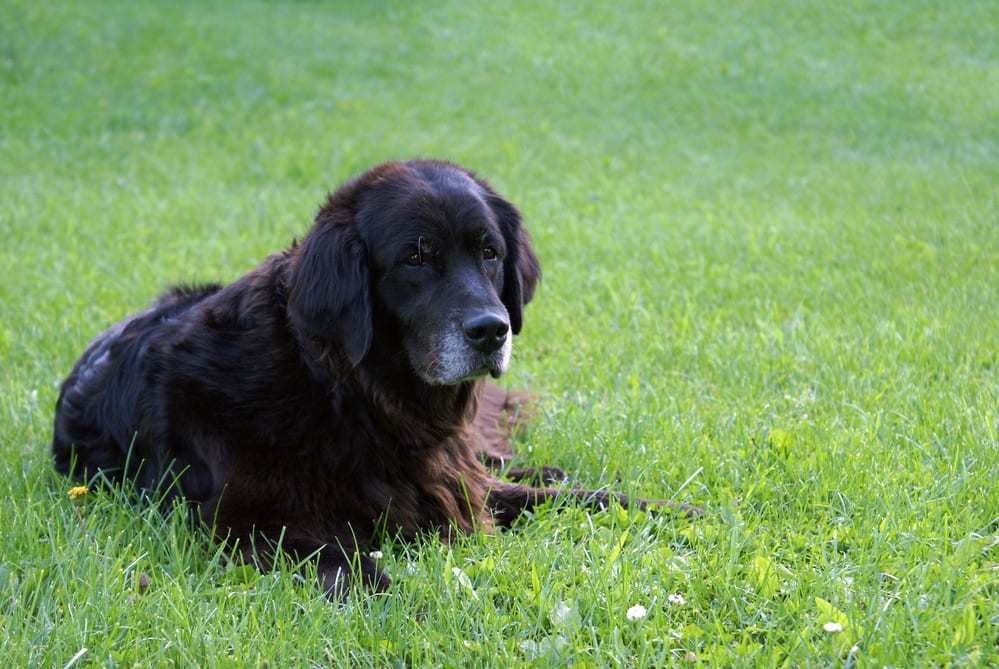
Your four legged hunting buddy is no longer an all-day marathon runner. However, all the training and field experience have made him a bird finder that hunts in control, still brims with desire, and exhibits solid manners around game. Retirement isn’t in the cards yet; he just can’t go all day.
There are various things an owner can do to help a senior dog enjoy and be at his best in his golden years. As the dog ages, there are changes that occur that may not be so obvious but can impact performance on the hunt and overall health. These factors may include slower physical recovery from the rigors of exercise, increased oxidative stress, a lower metabolism, and a decline in the immune system’s ability to ward off illness. We can’t stop the dog from aging, but we can help reduce and delay many effects of aging by feeding the right type and amount of food.
We want to optimize the performance of our young adult hunting dogs, enabling them to stay focused, learn faster, run longer, recover quicker, etc. Feeding a premium performance food in 30-percent protein and 20-percent fat ratio (all year long and not switching to something lesser in the off-season), being steadfast in the repetition of training exercises, and conditioning all year are some of the things that together contribute to the strategy for improving performance.
However, when developing a program to keep our older hunting partner in the field, we need to modify our objective from optimizing performance to maintaining mental and physical health by minimizing the effects of aging for as long as possible in order to stretch out the number of days afield.
The number one thing we can do to accomplish this is to prevent the dog from becoming obese. A 14-year study spearheaded by the research scientists at Nestle Purina demonstrated that by maintaining a lean body weight, the life of the dog was extended, on average, by 1.8 years versus an overweight dog. This is monumental. It equates to a longer, healthier life and more glory days afield for both dog and owner.
This study additionally demonstrated that treatment of various chronic health issues was delayed by about two years. Specifically, by reducing the feeding portions and keeping the dogs thin, the effects of arthritis were delayed by three years in the lean-fed dog compared to the overweight dogs. Most medium to large sporting breeds begin to show the effects of aging at around seven years, when their metabolism slows down. There will be accompanying onset of muscle loss and fat gain without a change in overall body weight, as well as a redistribution of body mass tissue. This effect was also delayed in the lean-fed dogs. It is critical to keep the dog lean and retain muscle in order to maintain an active lifestyle and enjoy more hunting trips.
Canine cognitive powers also decrease with the aging process. We spend many hours doing repetitions of training drills and days in the field designed to add to the dog’s learning. It is sad to watch the dog’s cognitive powers fade away, but it is a reality of the aging process. However, maintaining a physically active lifestyle goes a long way in delaying these cognitive losses. Repetitions of mentally stimulating drills will prove extremely beneficial. A simple agility routine, walking the dog at heel, or incorporating clicker training into the dog’s lifestyle will all pay huge dividends.
By altering our objective from optimizing performance to maintaining overall canine health, we are providing our dogs longer and more enjoyable days around the house and in the hunt. Pay attention to overall body weight, keep them active, and feed a premium diet 12 months of the year. Adhering to a senior citizen program may just give your trusted hunting partner one more trip back to the field.
Check out George’s video training series, which cover everything you need to know to take your retriever from a pup to a finished upland hunter.
For more information on the George Hickox School of Dog Training for Owners and their Dogs, and Stonecreek pointers and Labrador retrievers, check out www.georgehickox.com.
